 Sputtering and ALD: controlled cost versus atomic precision
Sputtering and ALD are two deposition technologies used to create the thin semiconductor layers that make up TFT transistors. The first, which uses a plasma to detach atoms from a solid material and deposit them onto a substrate, is favored by Apple, Samsung, and LG because it has the advantage of using equipment already in service on existing Oled production lines. However, to simultaneously ensure high electronic mobility and high reliability, the material composition and thin-film structure still need to be improved.
The second, which the companies continue to study in parallel, relies on gaseous materials to build thin layers at the atomic scale. Thanks to precise control of thickness and composition, ALD proves advantageous for guaranteeing the electrical characteristics and stability of the semiconductor layer, but the high cost of equipment and raw materials (such as precursors) is slowing its adoption.
Tests on Samsung’s Gen 8 and LG’s Gen 6 Oled lines
As Apple’s preferred suppliers, it is certain that Samsung and LG are working with the American giant so that these technologies arrive first in products such as the iPhone, iPad, MacBook, and iMac. After examining HMO technologies at its R&D center in Taiwan, Apple reportedly asked Samsung Display to verify the feasibility of applying these processes to its 8th-generation large-area manufacturing lines.
For its part, LG Display is developing an HMO technology by sputtering for its 6th-generation, small and medium-sized Oled lines. At the same time, the company achieved electronic mobility of around 40 cm²/Vs last year in oxide TFT transistors manufactured by ALD, even unveiling an Oled prototype based on this process. It remains for both manufacturers to stabilize these performance levels all the way to the final panel, as the electrical characteristics of HMO can still fluctuate during assembly under the effect of temperature and light.
Picture
Apple, Samsung and LG: new HMO OLED for future MacBook, iMac, iPad and iPhone
05.11.2026 • 09h16
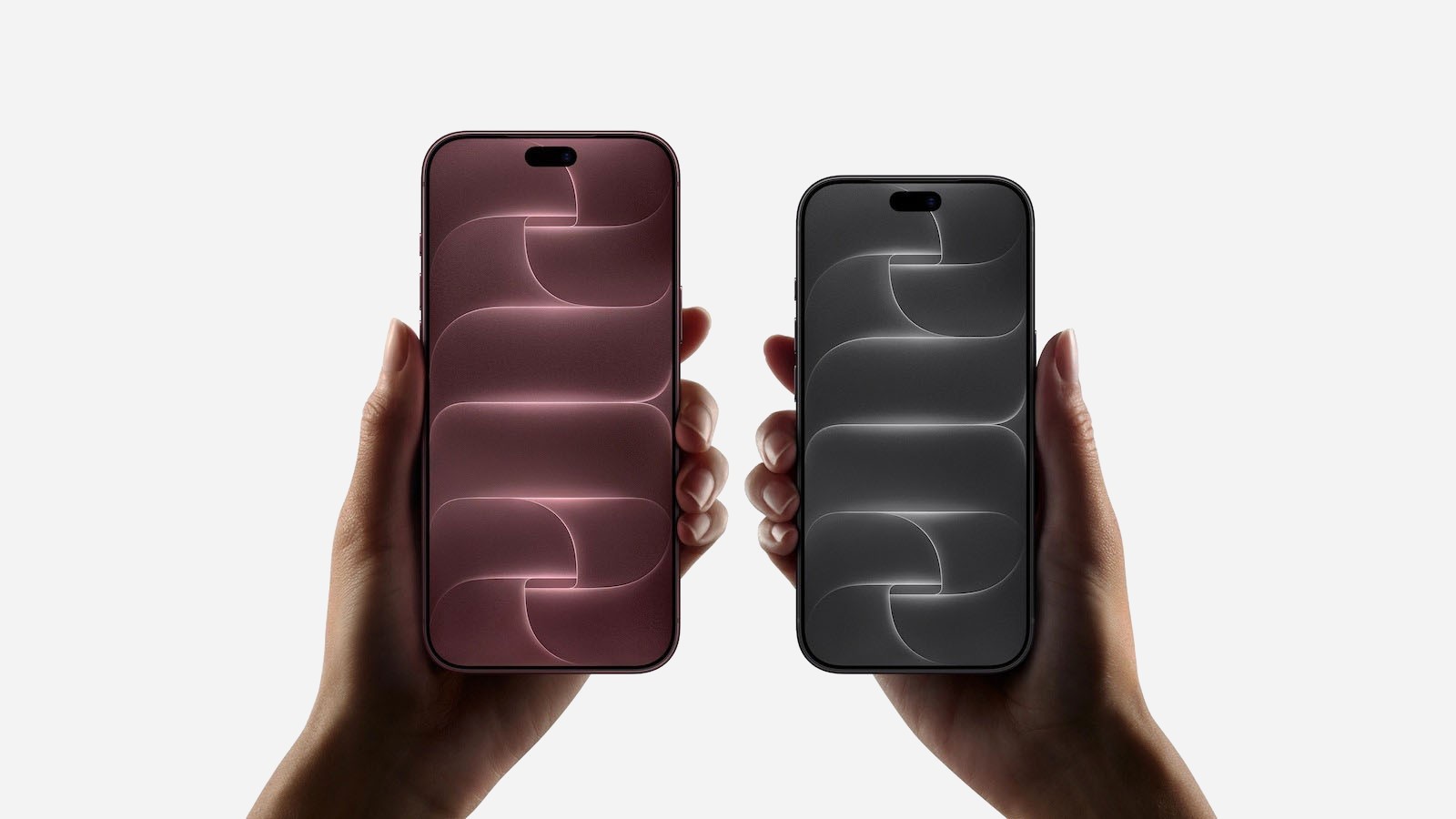
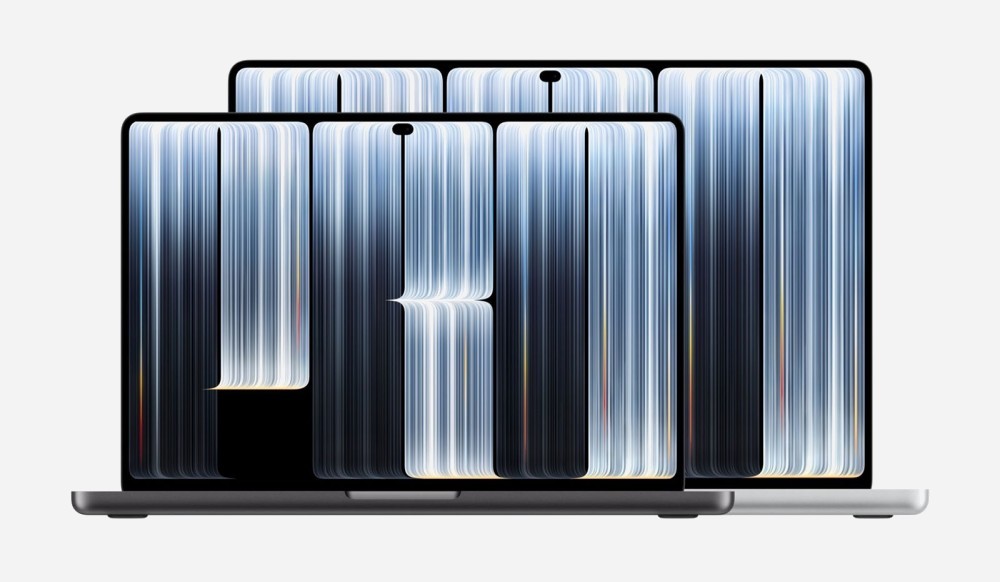
In close collaboration with its South Korean suppliers Samsung Display and LG Display, Apple is developing a new generation of OLED panels based on HMO (High Mobility Oxide) transistors. To etch these semiconductors, which are set to partially replace the expensive LTPO process, the three giants are favoring sputtering over atomic layer deposition (ALD). The goal is to triple to quintuple the electron mobility of pixels to boost the brightness, definition, and refresh rate of future MacBook, iMac, iPad, and iPhone models, while lowering manufacturing costs.
Apple’s suppliers are working on a new [abc]Oled[/abc] technology that could offer greater brightness and contrast on iPhone and iPad, but above all democratize these high-resolution displays across the MacBook and iMac computer ranges. Samsung Display and LG Display are indeed developing new manufacturing methods for Oled displays that could offer many advantages over current technology, particularly in image quality but also in cost. This is what the Korean media outlet The Elec reports, specifying that Samsung and LG are both developing new atomic layer deposition methods (Atomic Layer Deposition, or ALD) and sputtering methods that they could use on their production lines to design HMO-type (High Mobility Oxide) thin-film transistors (TFT).
HMO vs LTPO technology: electronic mobility multiplied by five
Among the advantages offered by these changes are brighter individual pixels on the panel, making it possible not only to increase brightness but also to improve contrast while supporting very high resolutions and high refresh rates. Indeed, HMO technology improves the performance of TFT transistors used to turn each pixel on and off or adjust the brightness of an Oled display. While the electronic mobility of conventional oxide TFTs is around 10 cm²/Vs (square centimeters per volt-second, a unit that measures the speed of electron movement in the semiconductor under the effect of an electrical voltage), HMO technology aims to raise it to 30–50 cm²/Vs, making it possible to deliver significantly higher current.
In addition, the cost per display could be reduced, making the technology more suitable for affordable products. Current high-end Oled displays use LTPO technology (low-temperature polycrystalline silicon oxide), which combines silicon and oxide semiconductors (for switching speed) and oxide semiconductors (to limit current leakage). It is precisely this process that currently enables dynamic refresh rate management from 1 Hz to 120 Hz (ProMotion feature at Apple) in order to save energy on static images. If HMO technology performance improves sufficiently, some silicon manufacturing processes could be replaced by oxide-based ones. In that case, the manufacturing process will be simplified and production costs reduced.
Sputtering and ALD: controlled cost versus atomic precision
Sputtering and ALD are two deposition technologies used to create the thin semiconductor layers that make up TFT transistors. The first, which uses a plasma to detach atoms from a solid material and deposit them onto a substrate, is favored by Apple, Samsung, and LG because it has the advantage of using equipment already in service on existing Oled production lines. However, to simultaneously ensure high electronic mobility and high reliability, the material composition and thin-film structure still need to be improved.
The second, which the companies continue to study in parallel, relies on gaseous materials to build thin layers at the atomic scale. Thanks to precise control of thickness and composition, ALD proves advantageous for guaranteeing the electrical characteristics and stability of the semiconductor layer, but the high cost of equipment and raw materials (such as precursors) is slowing its adoption.
Tests on Samsung’s Gen 8 and LG’s Gen 6 Oled lines
As Apple’s preferred suppliers, it is certain that Samsung and LG are working with the American giant so that these technologies arrive first in products such as the iPhone, iPad, MacBook, and iMac. After examining HMO technologies at its R&D center in Taiwan, Apple reportedly asked Samsung Display to verify the feasibility of applying these processes to its 8th-generation large-area manufacturing lines.
For its part, LG Display is developing an HMO technology by sputtering for its 6th-generation, small and medium-sized Oled lines. At the same time, the company achieved electronic mobility of around 40 cm²/Vs last year in oxide TFT transistors manufactured by ALD, even unveiling an Oled prototype based on this process. It remains for both manufacturers to stabilize these performance levels all the way to the final panel, as the electrical characteristics of HMO can still fluctuate during assembly under the effect of temperature and light.
Sputtering and ALD: controlled cost versus atomic precision
Sputtering and ALD are two deposition technologies used to create the thin semiconductor layers that make up TFT transistors. The first, which uses a plasma to detach atoms from a solid material and deposit them onto a substrate, is favored by Apple, Samsung, and LG because it has the advantage of using equipment already in service on existing Oled production lines. However, to simultaneously ensure high electronic mobility and high reliability, the material composition and thin-film structure still need to be improved.
The second, which the companies continue to study in parallel, relies on gaseous materials to build thin layers at the atomic scale. Thanks to precise control of thickness and composition, ALD proves advantageous for guaranteeing the electrical characteristics and stability of the semiconductor layer, but the high cost of equipment and raw materials (such as precursors) is slowing its adoption.
Tests on Samsung’s Gen 8 and LG’s Gen 6 Oled lines
As Apple’s preferred suppliers, it is certain that Samsung and LG are working with the American giant so that these technologies arrive first in products such as the iPhone, iPad, MacBook, and iMac. After examining HMO technologies at its R&D center in Taiwan, Apple reportedly asked Samsung Display to verify the feasibility of applying these processes to its 8th-generation large-area manufacturing lines.
For its part, LG Display is developing an HMO technology by sputtering for its 6th-generation, small and medium-sized Oled lines. At the same time, the company achieved electronic mobility of around 40 cm²/Vs last year in oxide TFT transistors manufactured by ALD, even unveiling an Oled prototype based on this process. It remains for both manufacturers to stabilize these performance levels all the way to the final panel, as the electrical characteristics of HMO can still fluctuate during assembly under the effect of temperature and light.