Home Theatre
The Odyssey: Christopher Nolan shoots in IMAX on film with a 180 kg system
25.05.2026 • 11h31
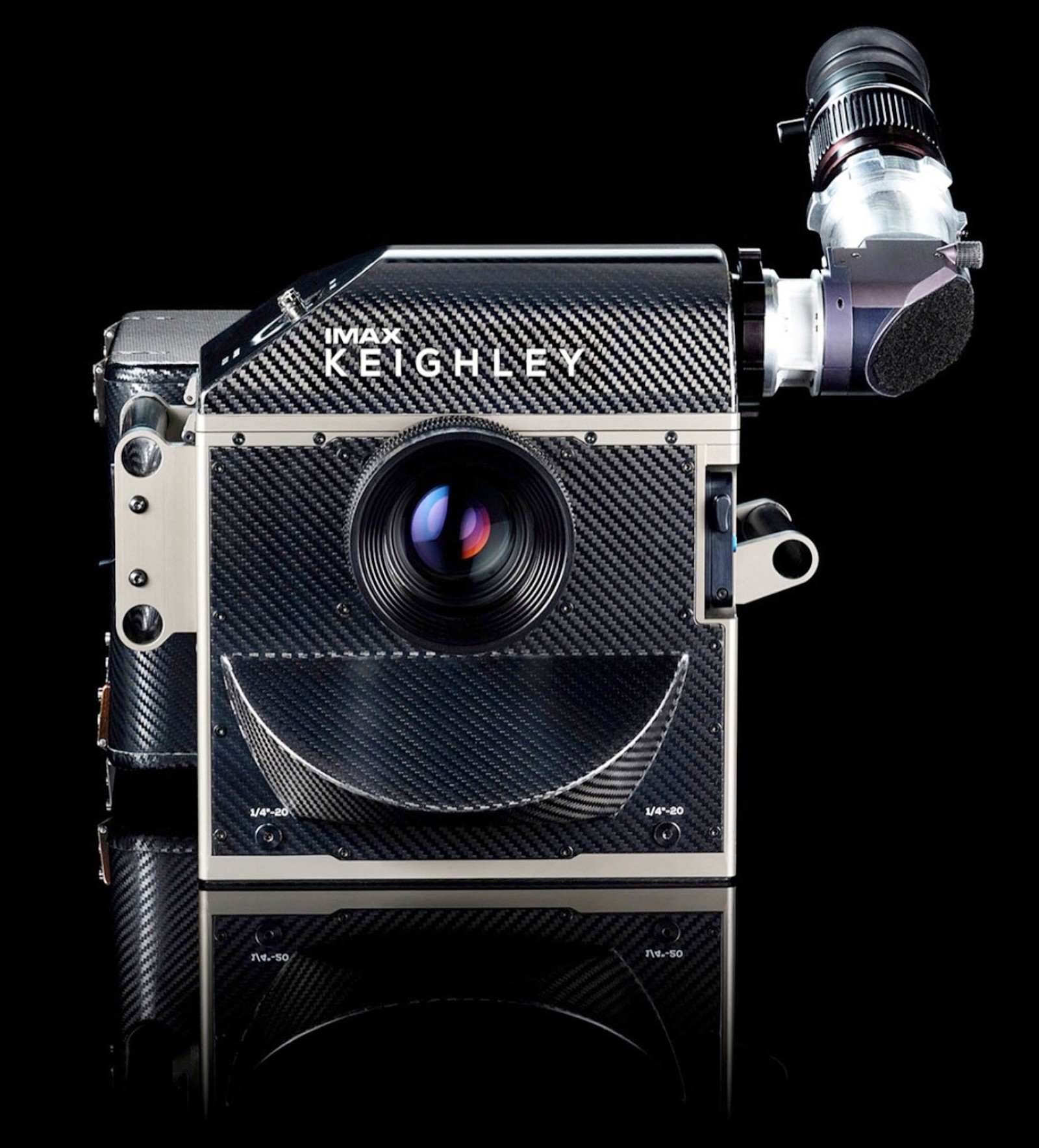
In early May, during an interview with Stephen Colbert on The Late Show, Christopher Nolan revealed that The Odyssey is the first feature film shot entirely on IMAX film, thanks to a new shooting system designed to reduce the mechanical noise of these large-format cameras (beyond 35mm).
The director explains that traditional IMAX cameras, using 65mm horizontally running film, were previously too noisy to allow for live dialogue scenes. On *Oppenheimer*, the director explains that some dialogue had to be re-recorded in post-production, as the actors sometimes had to raise their voices to be heard over the camera noise. For *The Odyssey*, Nolan asked IMAX to solve this problem so that the entire film could be shot in this format. A new acoustically insulated IMAX camera: IMAX has developed a unique system integrating the camera into an acoustically insulated structure designed to significantly reduce mechanical noise. The entire assembly weighs approximately 180 kg, a record for an IMAX camera. This device, named Keely in homage to David Keighley, a longtime collaborator of Nolan who passed away during the post-production of The Odyssey, was designed to allow for dialogue scenes with live sound while preserving the image quality inherent to IMAX film. A shoot conducted in extreme conditions: As a reminder, the film was shot on location in challenging environments, including at sea, in caves, in the mountains, and during storms. Transporting and handling a 180 kg system in these locations explains why some members of the crew, including Matt Damon, describe The Odyssey as one of the most demanding shoots of their careers. IMAX film used for all scenes: Nolan also specifies that The Odyssey was shot exclusively on IMAX film, which he considers to be the highest quality image format. Unlike the traditional use of IMAX technology reserved for spectacular scenes, the director here applies the process to the entire film, including intimate moments and dialogues, in order to bring the viewer closer to the characters while preserving the visual grandeur of the format.