 ] Philips TV 2026: Titan OS beefs up its interface. Titan OS is nevertheless attempting to compensate for these shortcomings with a series of new features planned for 2026. The most remarkable is a dedicated sports page that will aggregate live and upcoming events from all platforms, while the home screen will offer a Continue Watching function and a Watchlist allowing users to save content for later. The already numerous Fast channels will be complemented by recommendations from a partnership with TMDB, with selections like Top Movies and Top Free Movies. The interface can be personalized by removing certain apps from the home screen, although overall recommendations will continue to draw from the entire catalog. Eventually, Titan OS even promises the ability to disable recommendations from specific services, as well as a user profile system via optional registration. By replacing Google TV with Titan OS, Philips is taking a bold gamble. It remains to be seen whether Titan OS will evolve quickly enough to address its shortcomings. One thing is certain: this choice marks a major turning point in TP Vision's strategy, and it will be crucial to closely monitor how Titan OS establishes itself, or not, in a market dominated by much more mature platforms.
 Picture
Philips TV 2026: Titan OS replaces Google TV, a surprise strategic shift
24.03.2026 • 09h48
A look back at the presentation of Philips' new 2026 TV range, which revealed a surprise: the complete abandonment of Google TV across the entire range, including the OLED 8 and 9 series. Instead, TP Vision is now imposing Titan OS as the sole Smart TV platform. Here's why.
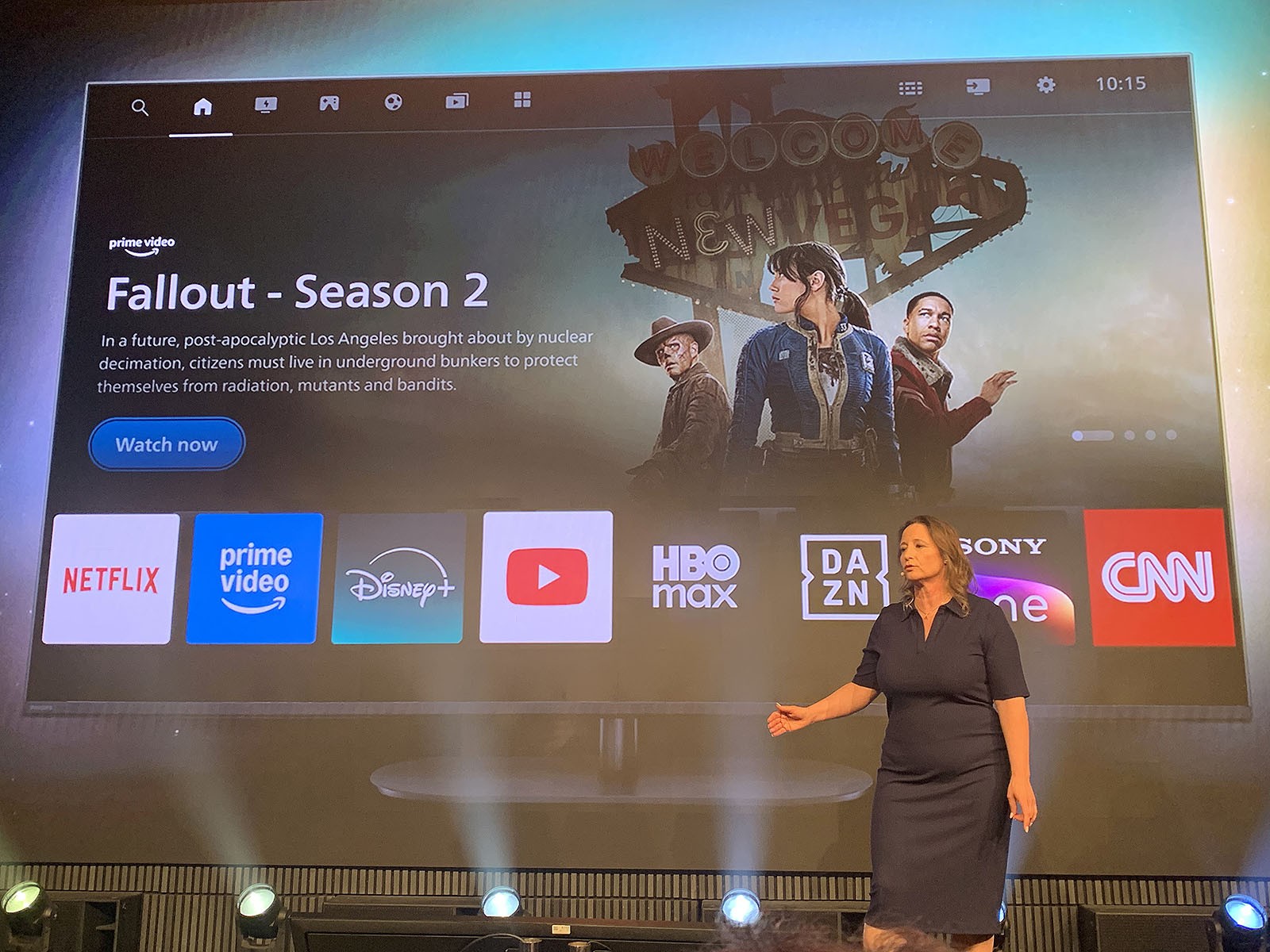
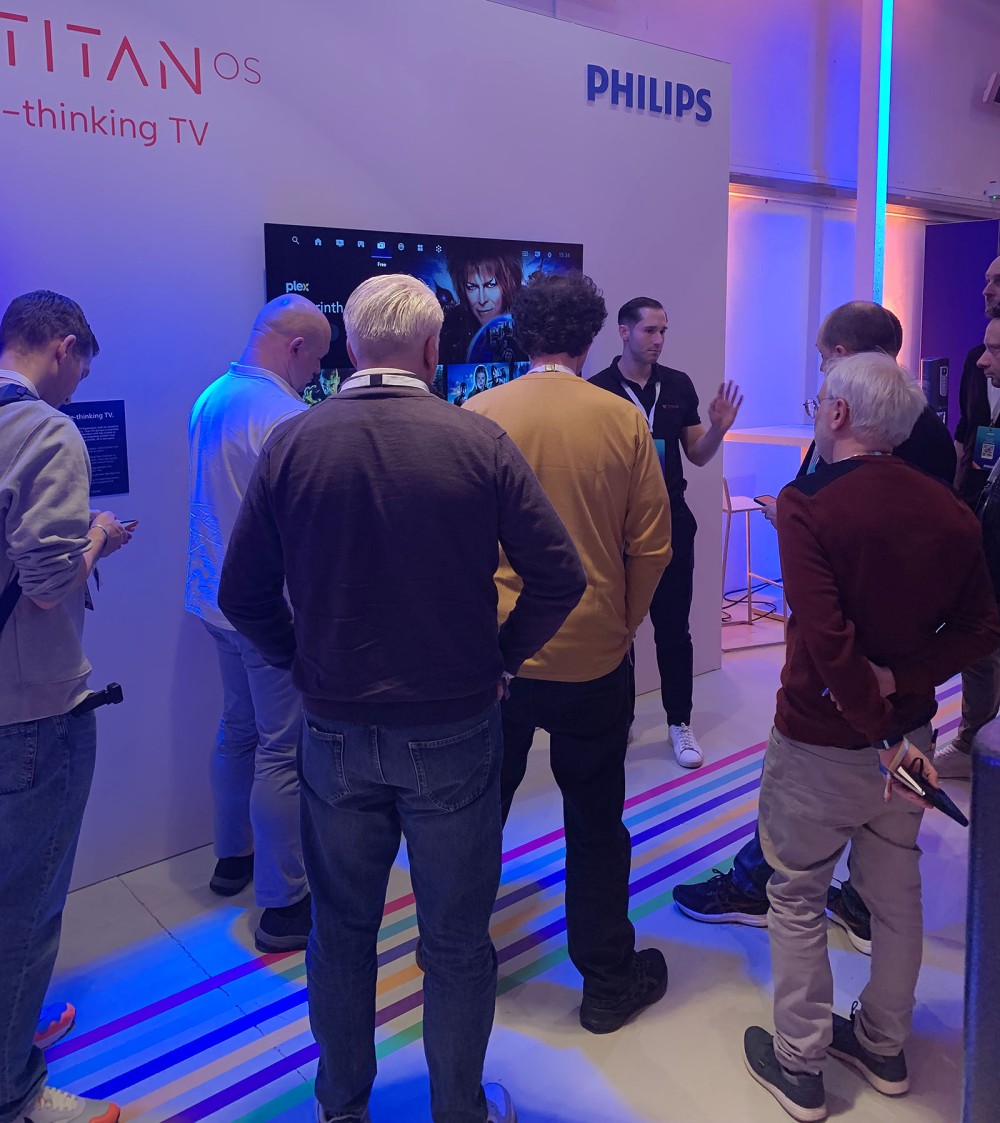
Removing the Google TV interface from its televisions seems like a bold, almost perplexing choice, given how firmly Google TV had been established in the Philips ecosystem for several years, particularly on the premium series. It remains to be seen what this change actually means for the end user. Philips TV 2026: Titan OS, the new master of the ship. In response to our questions during the Smart TV workshop, TP Vision indicated that Titan OS offers several advantages: lower resource consumption (Editor's note: giving Philips engineers more leeway for more advanced video processing), greater freedom in interface development, increased control over features, and, above all, the possibility of exploring new business models. In other words, Philips wants to regain control of its operating system, both technically and financially. The rhetoric remains muted, but the idea is clear: by breaking free from Google, the brand captures a larger share of the advertising revenue generated by the platform. Philips Titan OS TV: freedom gained, features lost? Of course, this strategy has some drawbacks, primarily the absence of Google Cast. While Google TV, Tizen, and webOS now offer native integration of the protocol, Titan OS only offers AirPlay for Apple users, while Android device owners will have to rely on third-party applications, with the limitations that this entails. Some will work correctly, others much less so, and the experience is likely to be inconsistent. In a market where ease of use has become a determining factor, this absence raises questions. Logically, the application ecosystem remains behind that of Google TV. While major international services are well represented, from YouTube and Netflix to Disney+, Prime Video, and HBO Max, several notable absences are regrettable, starting with Apple TV (announced for spring 2026) and Spotify. Local services, often essential depending on the country, remain an unknown quantity. As for gamers, they will have to do without Xbox, GeForce Now, and SteamLink apps, replaced by the significantly less popular Blacknut and Boosteroid platforms. [] Philips TV 2026: Titan OS beefs up its interface. Titan OS is nevertheless attempting to compensate for these shortcomings with a series of new features planned for 2026. The most remarkable is a dedicated sports page that will aggregate live and upcoming events from all platforms, while the home screen will offer a Continue Watching function and a Watchlist allowing users to save content for later. The already numerous Fast channels will be complemented by recommendations from a partnership with TMDB, with selections like Top Movies and Top Free Movies. The interface can be personalized by removing certain apps from the home screen, although overall recommendations will continue to draw from the entire catalog. Eventually, Titan OS even promises the ability to disable recommendations from specific services, as well as a user profile system via optional registration. By replacing Google TV with Titan OS, Philips is taking a bold gamble. It remains to be seen whether Titan OS will evolve quickly enough to address its shortcomings. One thing is certain: this choice marks a major turning point in TP Vision's strategy, and it will be crucial to closely monitor how Titan OS establishes itself, or not, in a market dominated by much more mature platforms.
] Philips TV 2026: Titan OS beefs up its interface. Titan OS is nevertheless attempting to compensate for these shortcomings with a series of new features planned for 2026. The most remarkable is a dedicated sports page that will aggregate live and upcoming events from all platforms, while the home screen will offer a Continue Watching function and a Watchlist allowing users to save content for later. The already numerous Fast channels will be complemented by recommendations from a partnership with TMDB, with selections like Top Movies and Top Free Movies. The interface can be personalized by removing certain apps from the home screen, although overall recommendations will continue to draw from the entire catalog. Eventually, Titan OS even promises the ability to disable recommendations from specific services, as well as a user profile system via optional registration. By replacing Google TV with Titan OS, Philips is taking a bold gamble. It remains to be seen whether Titan OS will evolve quickly enough to address its shortcomings. One thing is certain: this choice marks a major turning point in TP Vision's strategy, and it will be crucial to closely monitor how Titan OS establishes itself, or not, in a market dominated by much more mature platforms.