Multimedia
iPhone 18 Pro/Pro Max: all the expected new features (update)
08.04.2026 • 14h11
Summary of key features expected for the new iPhone 18 Pro/Pro Max this fall.
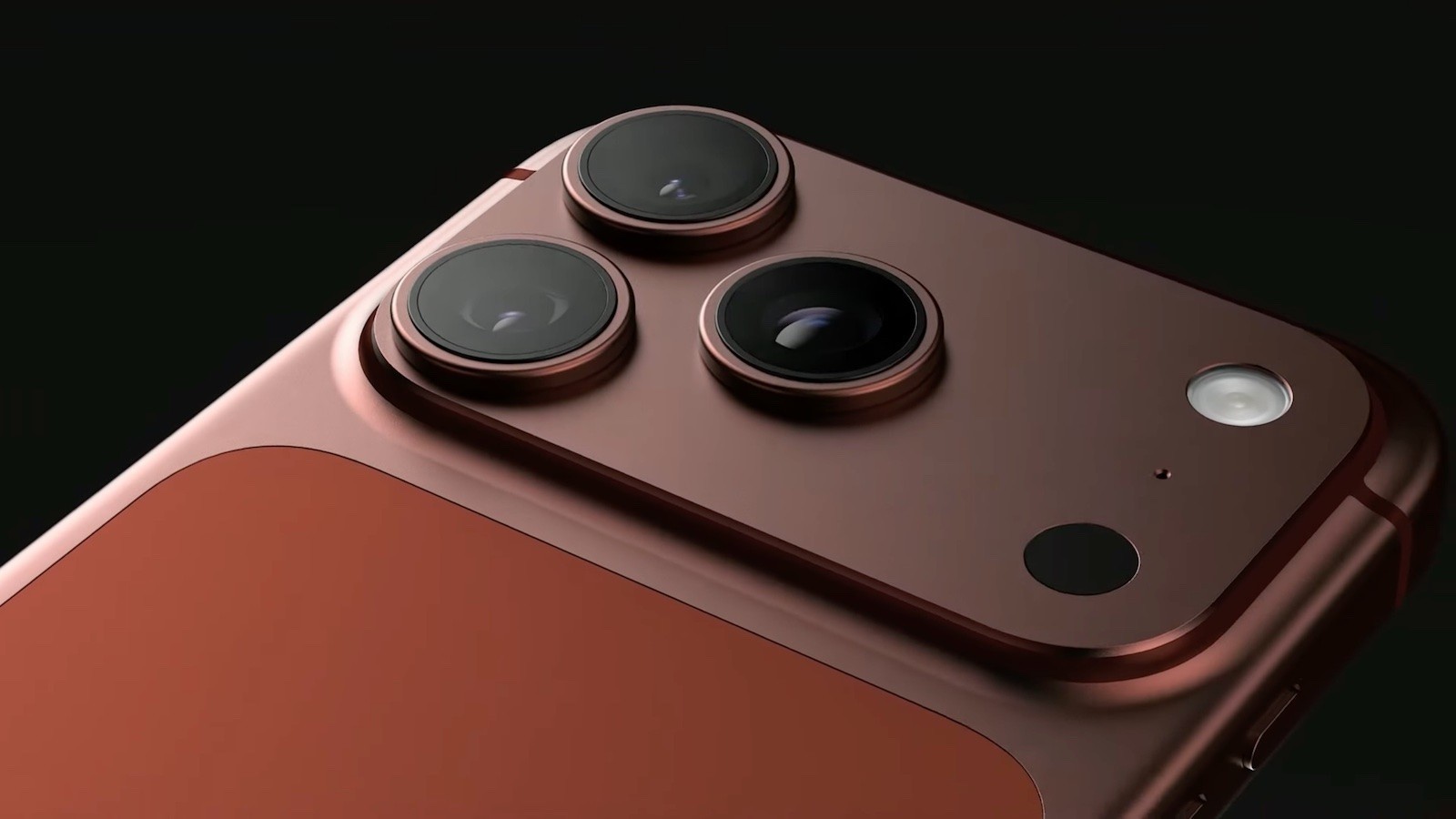
After a notable design update of the iPhone 17 Pro/Pro Max, it would seem that the upcoming 18 Pro/Pro Max range will not revolutionize the history of iPhones in this area. While the design is not expected to change, or only very slightly, significant technical changes are nevertheless anticipated, in order to attract new customers and satisfy Apple shareholders. iPhone 18 Pro and iPhone 18 Pro Max: A closer look at the expected technological advancements. Here is a new, updated summary of what we suspect about the device at the time of writing, based on rumors that have been circulating for some time, with links to our related news articles where applicable: • 6.3" screen for the iPhone 18 Pro, and 6.9" for the 18 Pro Max, with LTPO+ technology for optimized power consumption, helping to preserve battery life. • iPhone 18 Pro Max slightly heavier and thicker than the previous model, probably to accommodate a larger capacity battery. • Shrinking of the front camera bump (or Dynamic Island) due to the concealment of a... Components of Face ID technology • Variable aperture camera sensor to capture more light in dark environments, or limit it in overly bright conditions to prevent overexposure • A20 Pro processor, the first 2nm chip from TSMC on iPhone. Improved performance and further optimized power consumption • Proprietary N2 chip for Wi-Fi 7, Bluetooth 6, and Thread connections. An evolution of the N1 chip introduced on iPhone Air and the 17-inch iPhones • Proprietary C2 modem for 5G and LTE. An evolution of the C1X chip used on iPhone Air for greater speed and optimized power consumption • New red/burgundy color as an exclusive shade for the 2026 Pro lineup • Simplified technology for the camera control button to reduce production costs • Expanded satellite communication capabilities, with the ability, for example, to access the Maps app even without a cellular network