 TCL C89L SQD Mini LED Gen 8 TV: A Closer Look at the Improvements. At the heart of the Gen 8 backlighting are further optimized diodes called Super Condensed Micro Lens (34 patents in 2026) to combat Color CrossTalk (blending of colors between adjacent areas). TCL's exclusive Deep Color system combines Super Quantum Dot (Super QLED) crystals with a more efficient alloy, an UltraColor filter, and an advanced color fidelity algorithm (26-bit internal processing versus 23 bits in 2025). The goal remains the same: to eliminate Color CrossTalk, improve color purity, and maximize brightness without using RGB LEDs.
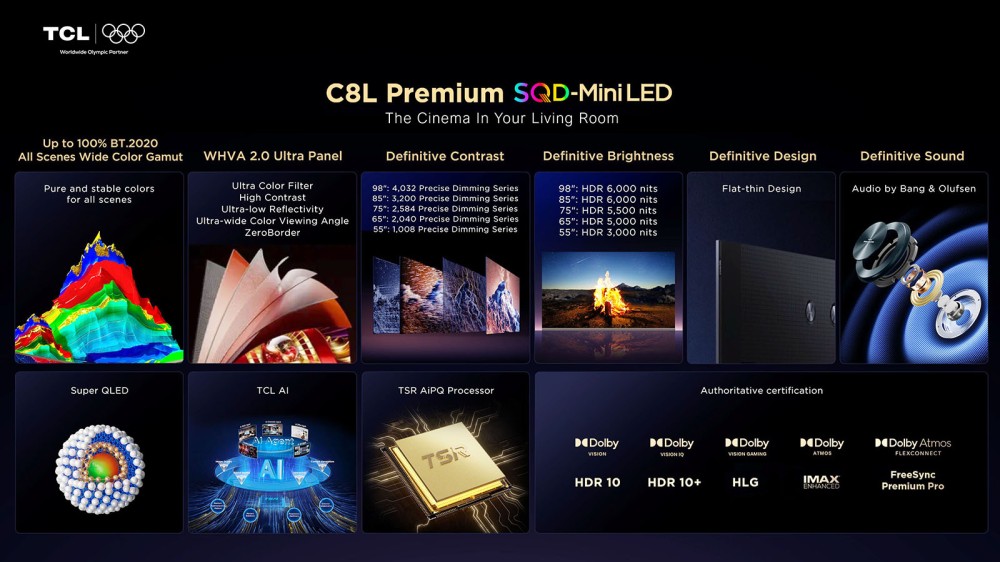
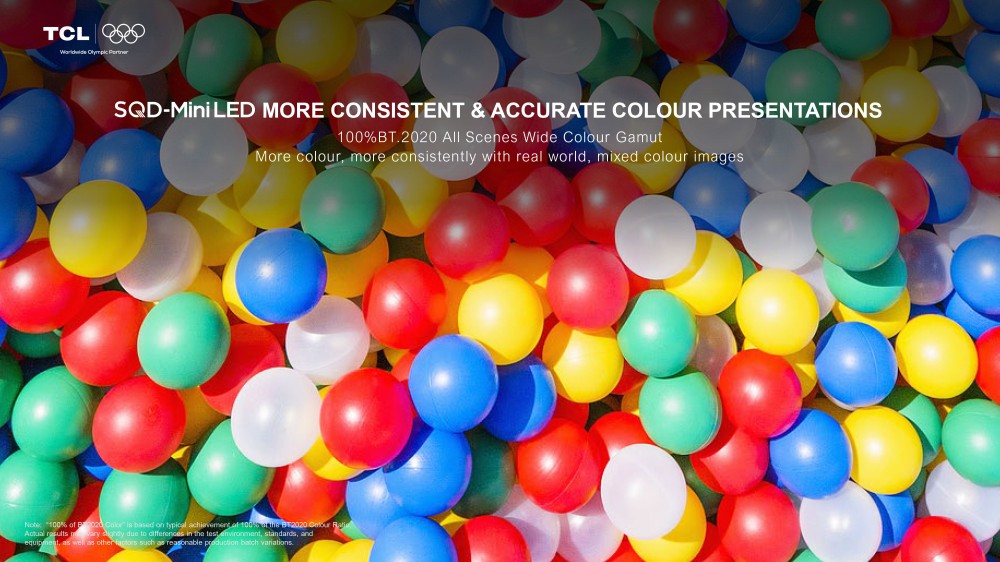
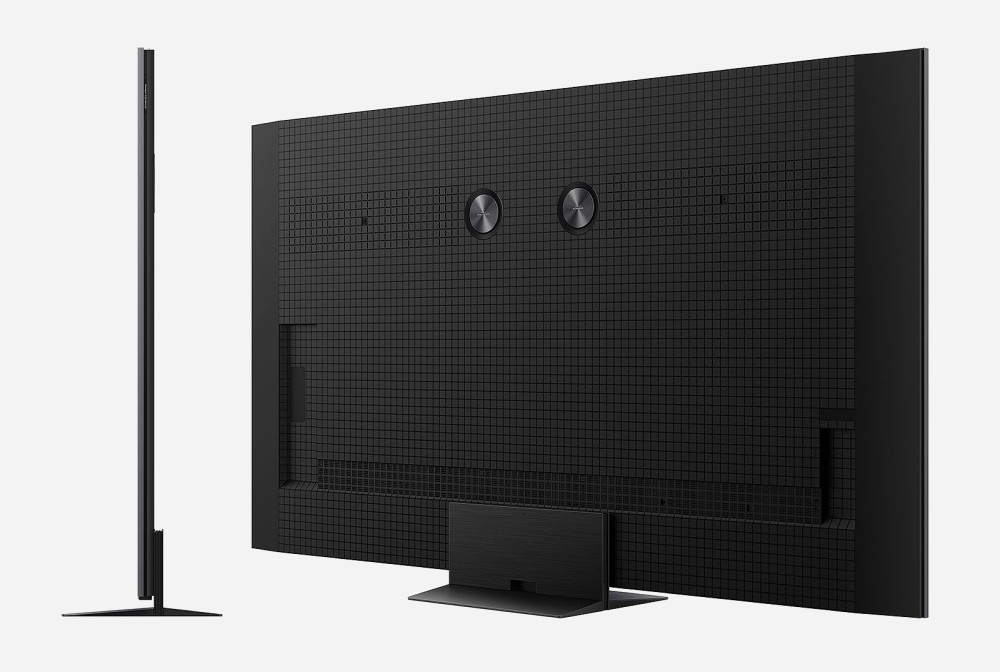
  TCL indicates that using RGB LEDs poses a number of problems when it comes to mixing the three primary colors. The manufacturer is therefore returning to the use of blue LEDs combined with Quantum Dot technology, which delivers a high concentration of "pure colors." With a high density of nanocrystals, TCL announces 95% purity for the three primary colors, without the need for RGB LEDs. TCL C89L TV: Flat-Thin design, WHVA 2.0 Ultra panel. An advantage of this backlighting system is the extremely thin screen, no more than 5.5 cm (OD 20 on the menu, see illustration above), for a design the brand calls Flat-Thin. Another point to note is that TCL states that the light emitted by the diodes is uniformly managed, without shadows cast by a specific prism, to further reduce the phenomenon of light haloing on certain images (see illustrations below). According to TCL, the use of RGB triplets goes hand in hand with an increased distance between the LEDs and the panel to limit color bleeding, which is not the case with blue LEDs. For your information, the LCD panel of the C89L projectors is a WHVA 2.0 Ultra Panel type. TCL C89L: up to 4,032 zones, 6,000 nits and 100% BT.2020££££ The specifications of the TCL C89L series remain impressive: 4,032 zones, peak brightness of 6,000 nits for the TCL 98C89L. The 85" model boasts 3,200 zones for 6,000 nits, the 75" 2,584 zones for 5,500 nits, the 65" 2,040 zones for 5,000 nits, and the 55" 1,008 zones for 3,000 nits. TCL also announces 100% BT.2020 color gamut coverage for its C89L projectors with this 8th generation Mini LED backlighting, a world first and a remarkable achievement for backlighting of this type (meaning without RGB). The combination and mastery of all these specifications allows for even finer control of the halo effect, a reduction in Color Cross Talk (color bleed at the level of adjacent sub-pixels), a 33% wider color gamut, and 69% greater accuracy. The overall image gains in realism and naturalness (see illustrations above).
  To return to the subject of zones, TCL points out that with the same number of LEDs, its SQD displays have 3 times more independent zones than its Mini LED RGB models. Logically, each RGB triplet corresponds to three independent blue LEDs. This contributes to a significant increase in brightness.
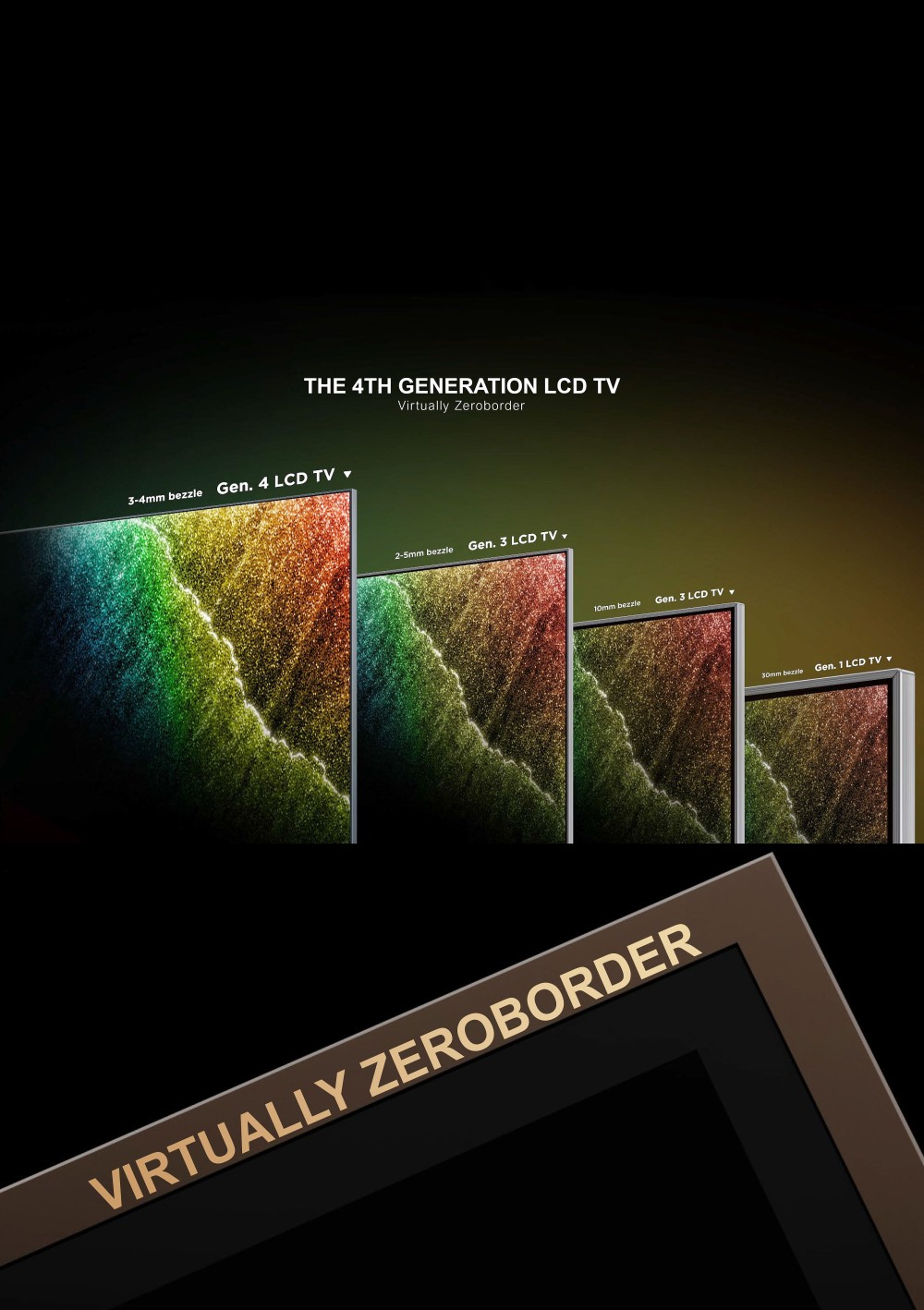
 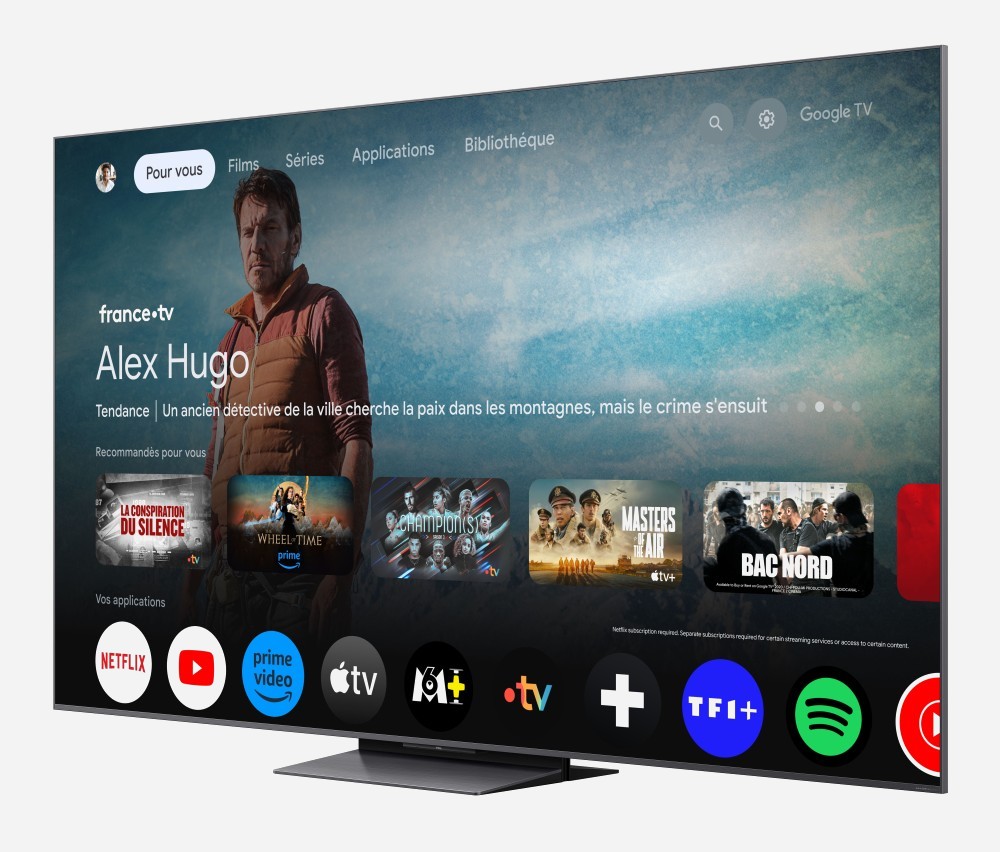 TCL C89L TV: Dolby Vision 2, Dolby Atmos FlexConnect, HDMI 2.1 and a 2.2.2 sound system by Bang & Olufsen. Among the other remarkable features of the TCL C89L TVs, we should mention a Virtually ZeroBorder screen (100% of the LCD panel is used for the image, but a metal frame is still present around the panel to reinforce the structure), a TSR AIPQ processor capable of autonomous machine learning, and the new Super Resolution video processing. 2.0, HDR10+ and HDR Dolby Vision compatibility (HDR Dolby Vision 2 expected this summer via update, HDR10+ Advanced still under discussion), Dolby Atmos FlexConnect compatibility, a native 144Hz LCD panel, four 2.1 144Hz inputs (finally! Thank goodness for the upcoming HDR Dolby Vision 2, which requires a Pentonic 800 chip capable of handling four HDMI 2.1 inputs…), plus a 2.2.2 sound system by Bang & Olufsen. All powered by Google TV, which will welcome Gemini this fall (updates guaranteed up to Android 17, i.e., for three years).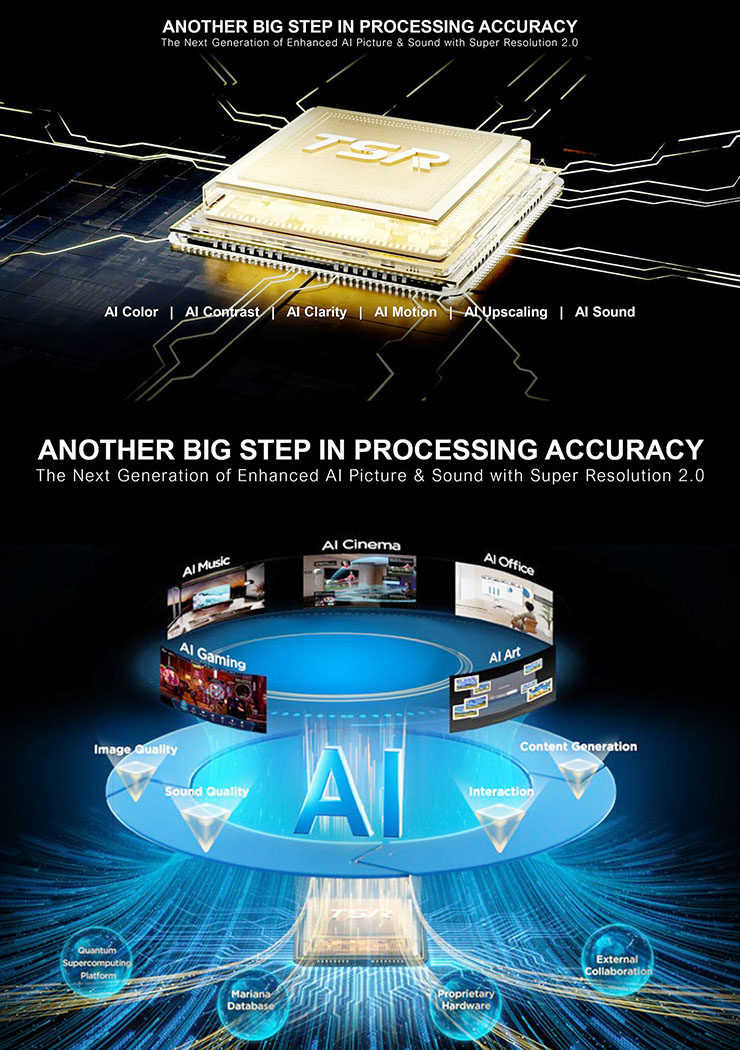
 TCL C89L TV: price, availability, and practical details One last point, the TCL C89L TVs come with a single backlit remote control (with one assignable button). Availability is expected between April and June. Suggested retail prices: • €1,199 for the TCL 55C89L • €1,799 for the TCL 65C89L • €2,199 for the TCL 75C89L • €2,499 for the TCL 85C89L • €3,799 for the TCL 98C89L
  Key features of the TCL C8L TVs: • 10-bit panel • LCD panel • Ultra HD/4K panel • 144 Hz Panel; • WHVA 2.0 Ultra Panel; • Quad Core MT9655 Processor (Pentonic 800 derivative); • Wide Color Gamut Function; • UPnP (DLNA) Media Gateway Function; • DVR Function; • eARC Function; • IMAX Enhanced Function; • VRR Function; • ALLM (Auto Low Latency Mode); • 4K HFR 120 Function; • Game Master Pro 2.0 Function; • DLG 288 Hz Function; • Super Resolution 2.0 Function; • TSR AIPQ Function • Super Quantum Dot (SQD) function • HDR10 and HDR HLG compatibility • HDR10+ compatibility • Miracast compatibility • Dolby Vision HDR compatibility • HEVC compatibility • Dolby Atmos compatibility • HBBTV compatibility • FreeSync compatibility • CEC compatibility • Canal Ready compatibility • DTS Virtual:X compatibility • DTS compatibility • HDCP 2.3 compatibility; • HDR10+ Adaptive compatibility; • Wi-Fi 6 compatibility; • Wi-Fi 6 (ax) compatibility; • Chromecast (built-in) compatibility; • Dolby Vision IQ HDR compatibility; • Bluetooth 5.4 compatibility; • Dolby Vision 2 HDR compatibility; • 100% BT.2020 compatibility; • IMAX Enhanced certification; • Outputs: 1 optical, 1 headphone; • Inputs: 4 HDMI 2.1 inputs, 1 USB 3.0 Host port 1 USB Host 2.0 port, 1 Ethernet port, 1 CI+ port; • AirPlay 2 multimedia; • HomeKit multimedia; • Google Assistant multimedia; • Works with Alexa multimedia; • Google TV multimedia; • Google Gemini multimedia; • MEMC motion compensation; • Mini LED local dimming backlighting system; • Input lag: < 6 ms at 2160p/60Hz; • Number of zones: 1008 for the 55", 2040 for the 65", 2584 for the 75", 3200 for the 85", and 4032 for the 98"
• Peak brightness: 3,000 nits for the 55", 5,000 nits for the 65", 5,500 nits for the 75", and 6,000 nits for the 85"/98"
• Mini LED technology: yes; • DVB-T2 tuner; • DVB-C tuner; • DVB-S2 tuner; • Sound section: 2.2.2; • Power: 60 W (2 x 15 + 2 x 10 + 2 x 5)