Picture
Spying on LG Smart TVs: the manufacturer denies it, Gamers Nexus persists
24.09.2026 • 11h09
Accused by the famous YouTube channel Gamers Nexus of spying on its users through its Smart TVs, the South Korean giant LG published a long 2,000-word statement to categorically deny these allegations. A defense that, however, did not convince the authors of the original investigation, who went so far as to accuse the manufacturer of lying.
The case is causing quite a stir in the small world of tech and cybersecurity. In an explosive video, the YouTube channel Gamers Nexus, backed by the site Level1 Techs and independent researchers, recently claimed that LG connected televisions were capable of recording private conversations without users’ knowledge, and without even an activation keyword being spoken (cf. our smart TV news LG Smart TV: is your television spying on you without your knowledge?). Their investigation also accused the brand of siphoning off extremely sensitive data: IP addresses, exact geolocation of the screen, surrounding [abc]Wi-Fi[/abc] networks, and the names of devices connected to them (even if they are not connected to the TV). Faced with this outcry, LG could not remain silent.
LG’s denial and the subtlety of “continuously”
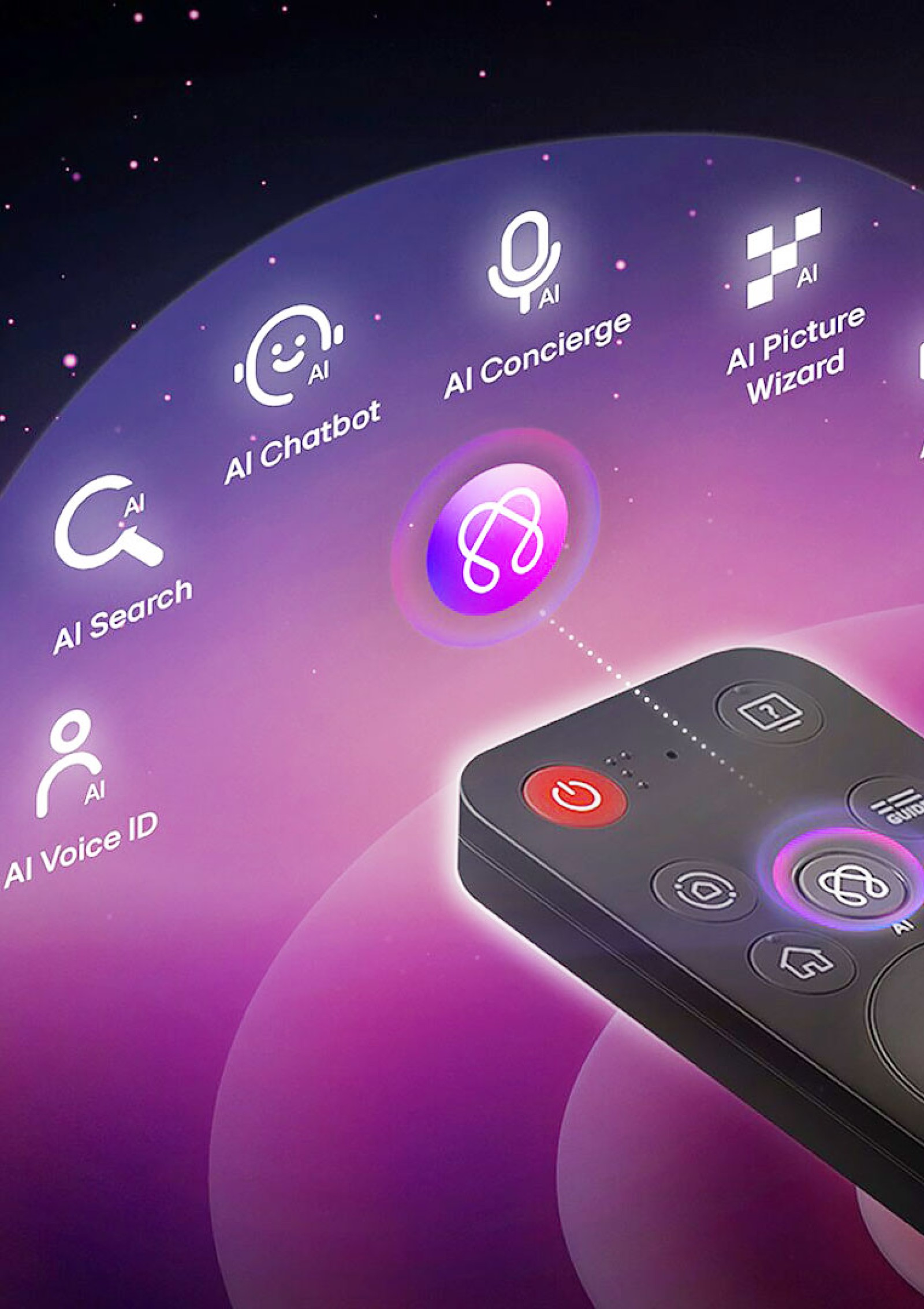
The manufacturer therefore struck back with a lengthy statement, explaining that these investigations had led to “false ideas about how LG Smart TVs work.” The manufacturer insists that its screens “do not continuously record or transmit users’ conversations.” An important semantic clarification, with some observers immediately taking issue with the use of the expression “continuously.” In concrete terms, LG says that speech-to-text processing is only triggered after voice activation or pressing the AI button (or microphone button) on the remote control. Admittedly, the television “listens” constantly to watch for that famous keyword, but this audio stream would be “processed locally” and instantly destroyed if it is not recognized. The logs generated during a voice command would, for their part, never be uploaded when the TV is offline to be transmitted later.
Data and recommendations: the thorny case of ACR
The press release also addresses the thorny issue of ACR (Automatic Content Recognition). This function, often criticized because it analyzes in real time what is displayed on the screen to refine recommendations (or sell these profiles to advertisers), would not be enabled by default according to LG. The South Korean company also specifies that no connected product is completely safe from vulnerabilities, suggesting that some of the flaws demonstrated by Gamers Nexus would imply that a “hacker” had first managed to take control of the television.
A standoff far from over
But it takes more than that to shake the Gamers Nexus investigators. Far from apologizing following the brand’s explanations, the channel published a particularly forceful follow-up video. The authors there claim that LG’s statement is riddled with internal contradictions and that its denials are based on no tangible evidence in the face of the technical demonstrations from their initial investigation. In short, between the electronics giant and the web watchdogs, the privacy war is only just beginning.
In this story, it is repeated that if LG is being singled out by the Gamers Nexus channel, the situation is very similar with other television brands. It remains to be seen whether [abc]Firmware[/abc] updates (or changes to the terms of use) will be deployed by the brand in the coming weeks to calm the situation.