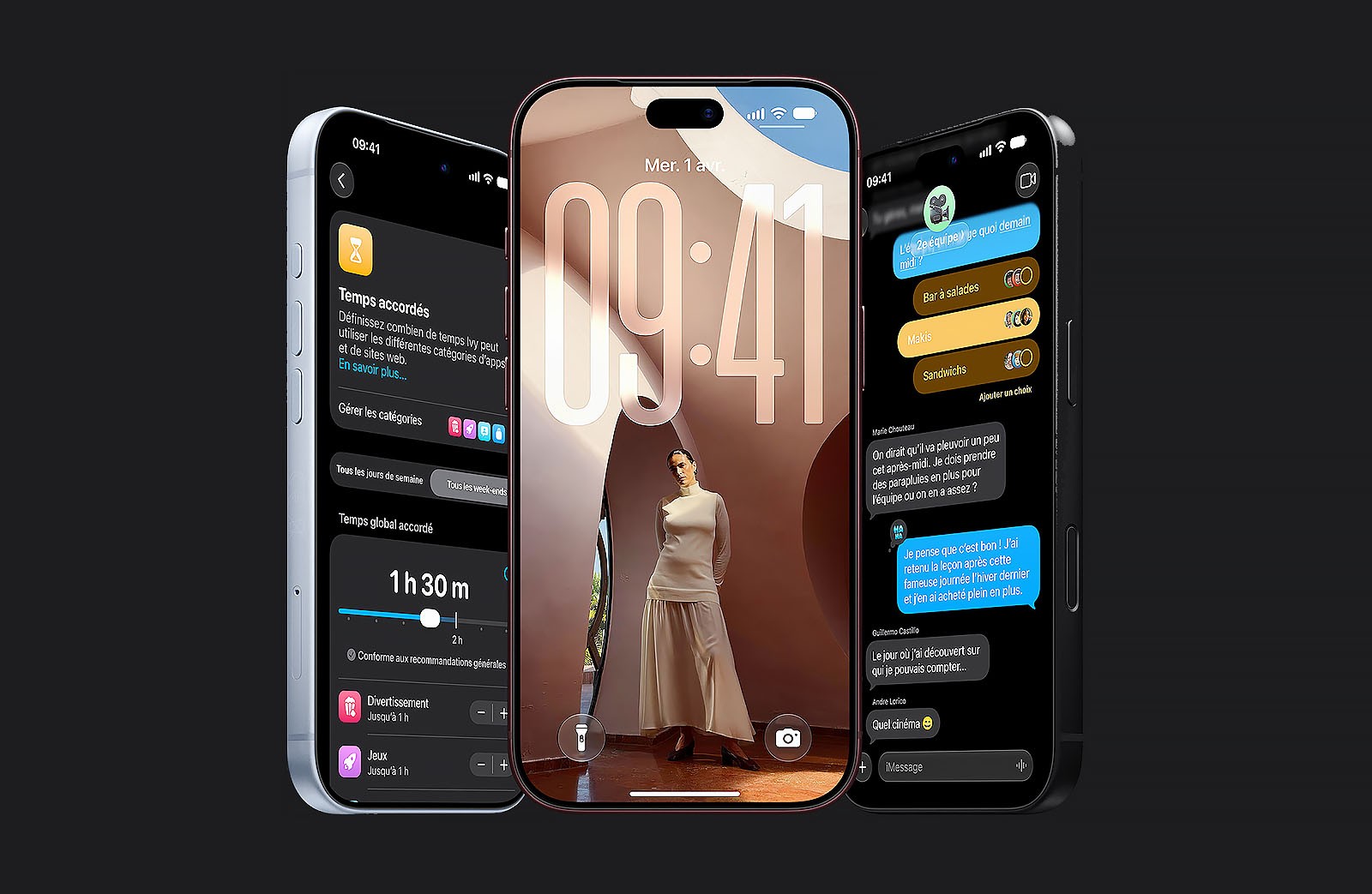
Apple has just unveiled its two latest high-end flagships, the iPhone 18 Pro and iPhone 18 Pro Max. Basically, perfected cameras with a smartphone inside… Indeed, while their design follows on from the previous generation, they introduce a major optical advance with the integration of a mechanical variable-aperture diaphragm and the widespread adoption of 48-megapixel Fusion sensors across all modules.
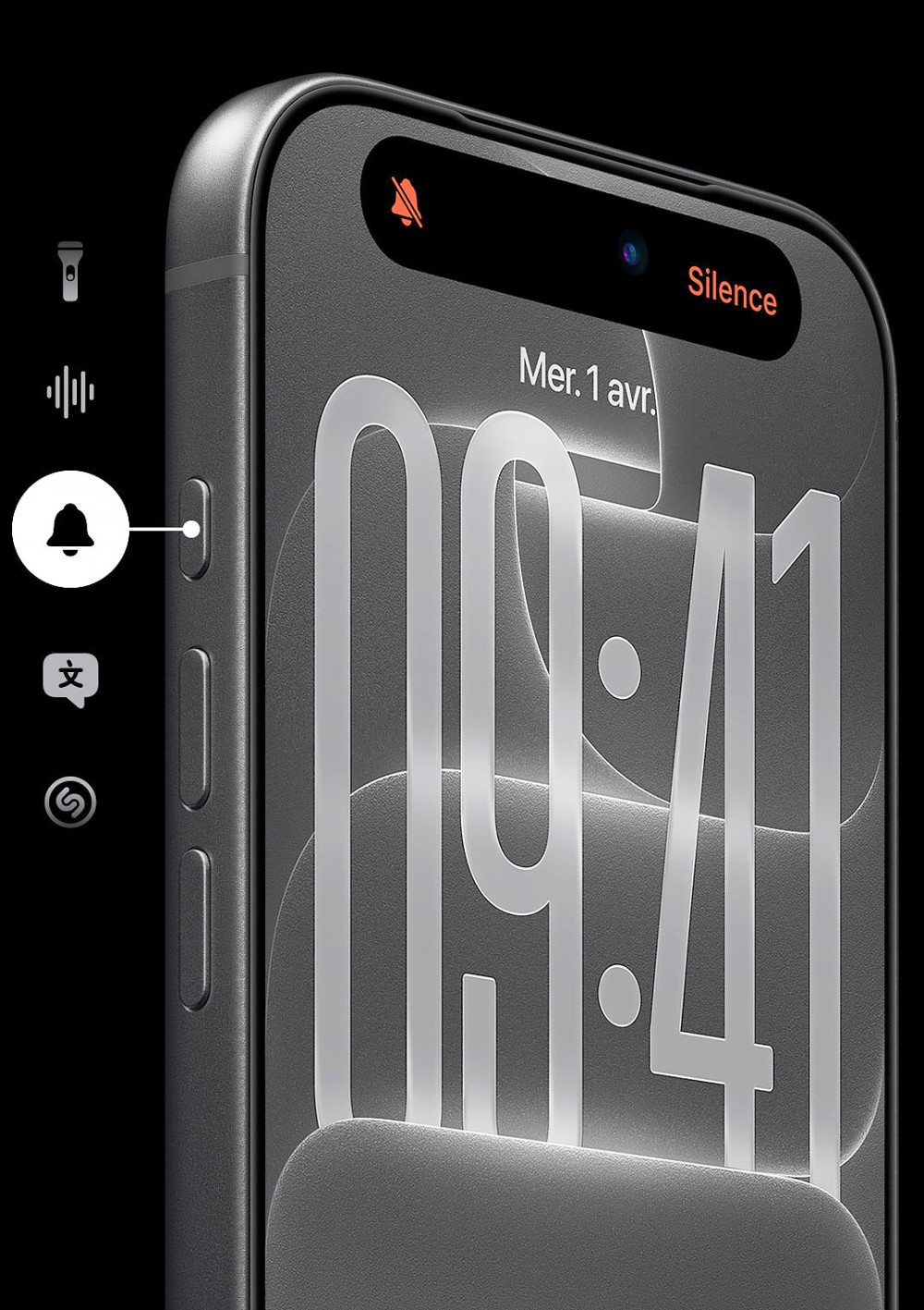
We expected it, but after the radical design change introduced last year, the 2026 models logically retain the lines of their predecessors. We therefore find the 6.3'' Super Retina XDR [abc]Oled[/abc] display for the iPhone 18 Pro and 6.9'' for the Pro Max. Both models feature adaptive ProMotion up to 120 Hz, peak brightness of up to 2,000 nits outdoors, and reinforced Ceramic Shield glass. This year again, we notice a significantly reduced Dynamic Island area, as the rumors had been insisting. The sensitive Camera Control button also benefits from a pressure sensor and refined haptic feedback to adjust zoom and exposure.
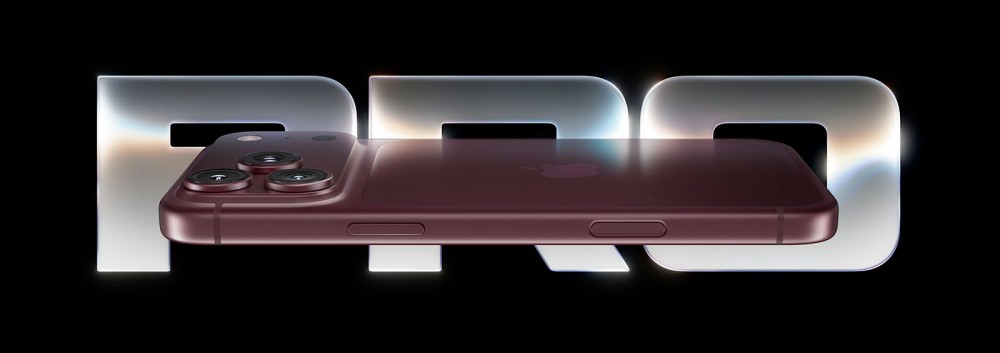
A mechanical variable-aperture main sensor
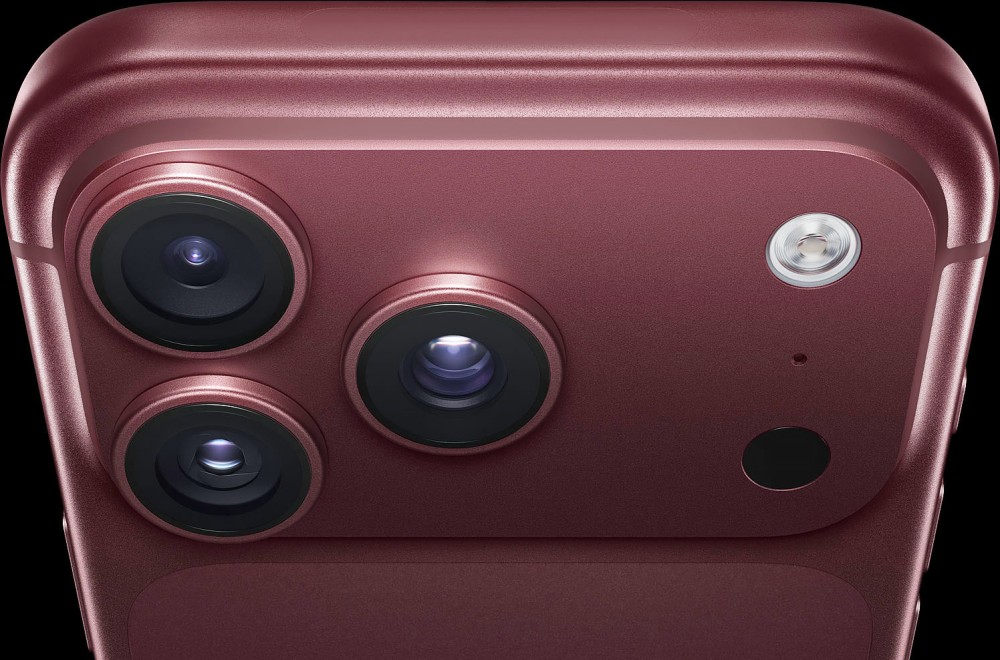
Rumors were also right about the big new feature of this lineup: a mechanical variable-aperture system for the 48-megapixel Fusion main camera (24/48 mm focal length, 1x/2x, 2.44 µm photosites in Quadpixel, 1.22 µm individually). The optical block offers four physical aperture settings: f/1.48, f/1.8, f/2.8 and f/4.0. Usually reserved for dedicated camera bodies, this system mechanically adjusts brightness as well as optical depth of field (without software tricks), ensuring sharper low-light performance and a perfectly natural background blur (bokeh) without software tricks.
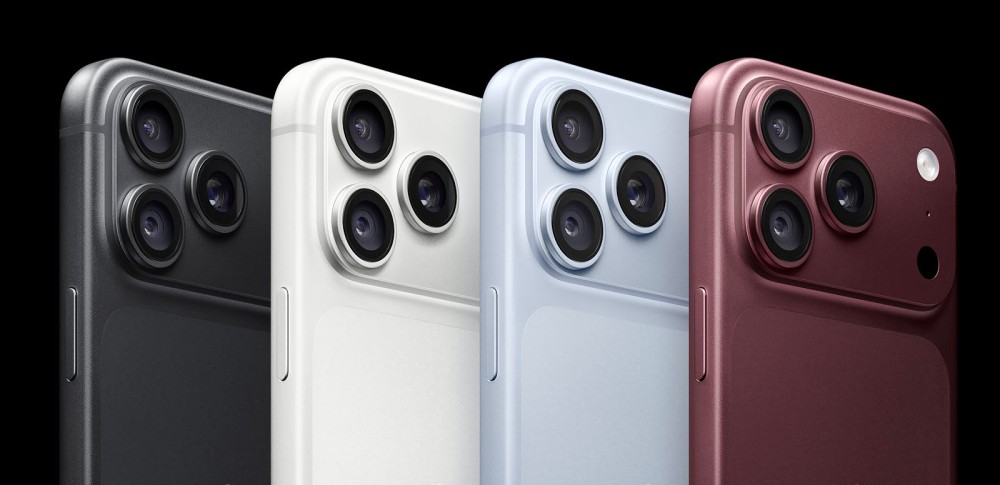
Three Fusion 48 MP modules and advanced manual controls
The other two rear lenses also move to Fusion 48-megapixel processing. This gives us a 13 mm ultra-wide-angle lens (f/2.2, 0.5x and Macro mode) and a 100/200 mm periscope telephoto lens (f/2.8, 4x/8x, 1.4 µm Quad-pixel, 0.7 µm individually).
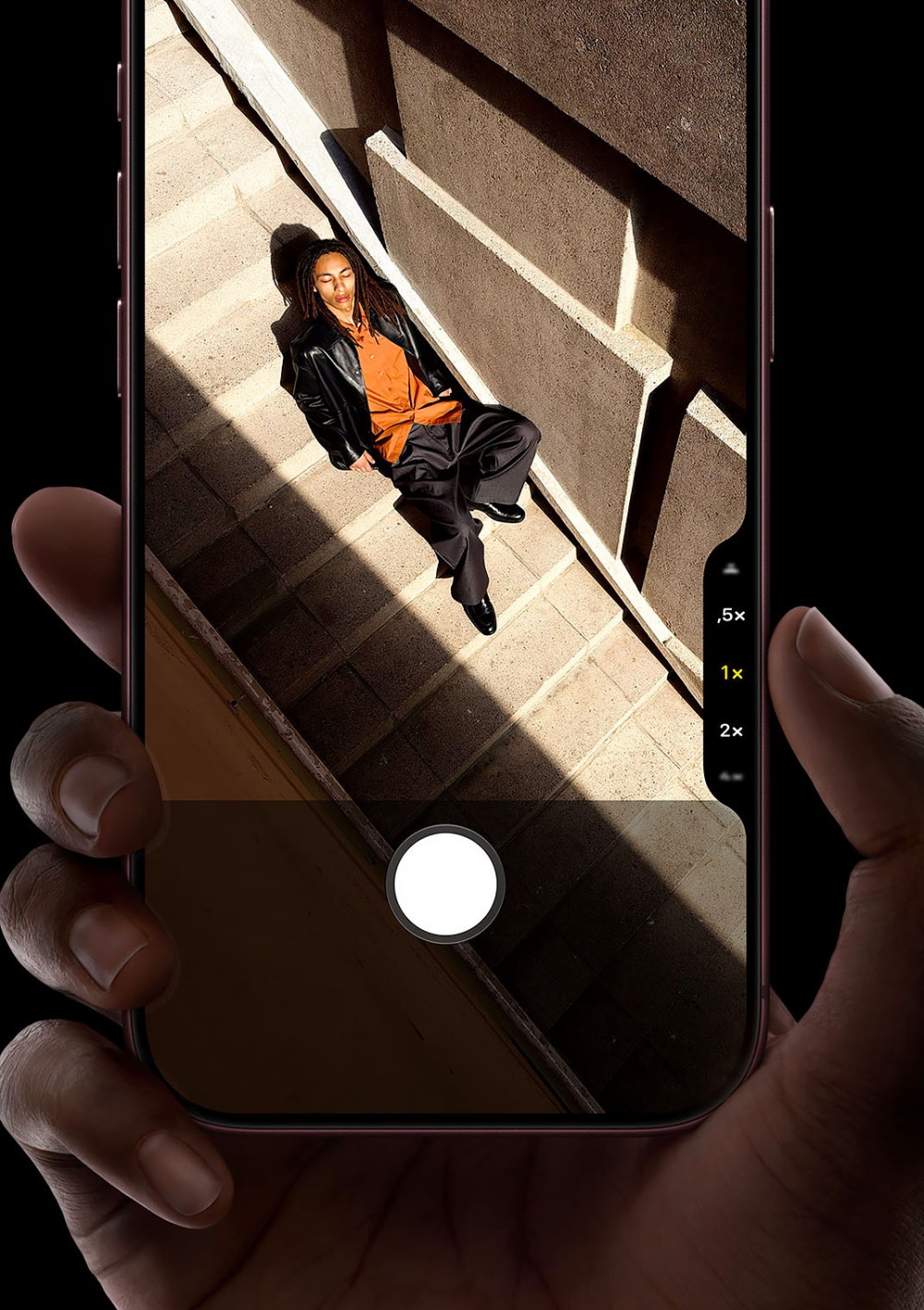
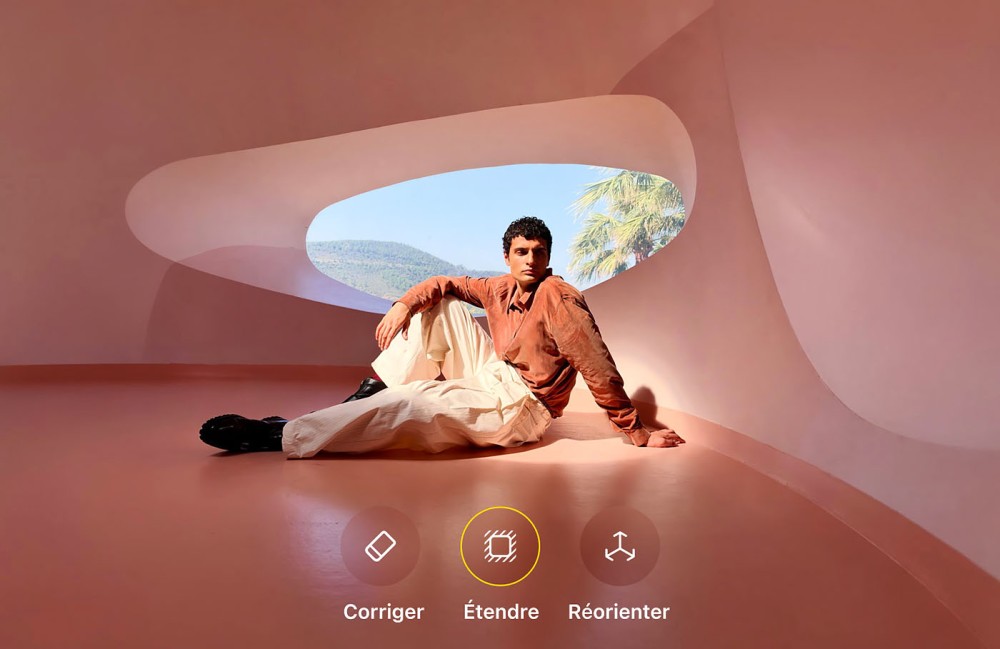
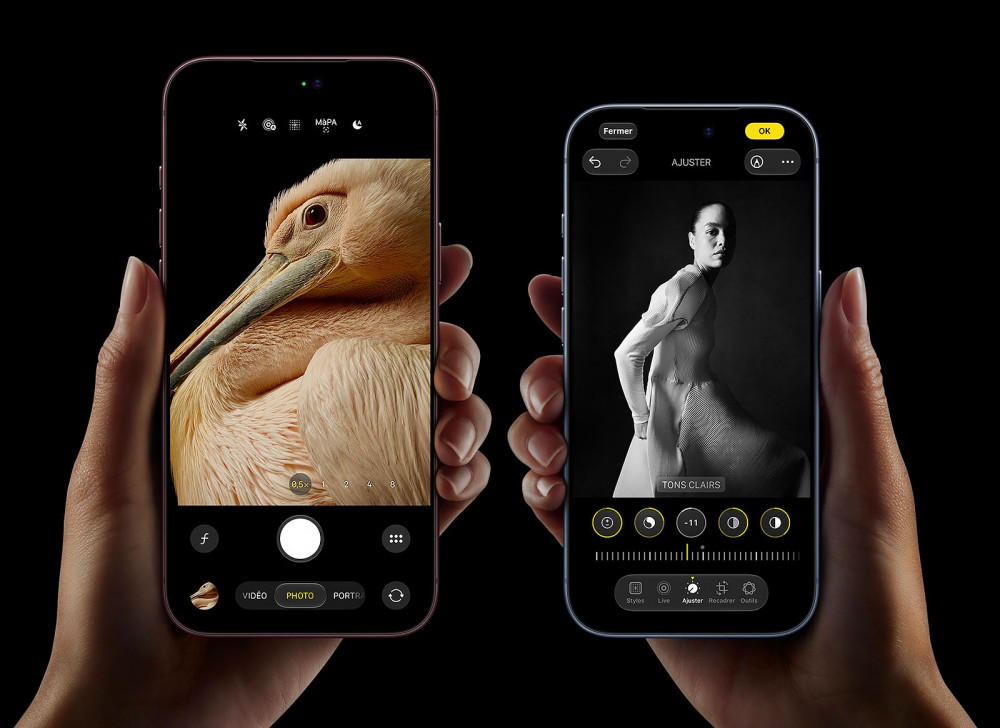
This hardware is complemented by new photographic styles and “pro” controls in the Camera app, to adjust texture and grain, as well as aperture, white balance, or shutter speed, in order to freeze fast motion. It is also possible to view a histogram to determine the exposure levels of a scene. On the video side, Cinematic mode effects can now be applied to a standard video, even after recording, and Time-Lapse sequences can be captured in [abc]Ultra HD[/abc] [abc]4K[/abc] and [abc]HDR Dolby Vision[/abc]. Also included are spatial video capture for Apple Vision Pro as well as ProRes Log recording up to UHD 4K at 120 fps directly to SSD via the USB-C port compatible with [abc]USB[/abc] 3 (10 Gbit/s).
A20 Pro chip built on 2 nm and C2 modem
Under the hood, the iPhone 18 Pro and 18 Pro Max feature the brand-new A20 Pro chip built on 2 nm (6-core CPU and 7-core GPU) with hardware Ray Tracing, backed by a 16-core Neural Engine designed for Apple Intelligence, along with a vapor chamber three times larger than that of previous models to dissipate heat and maintain peak performance. On the connectivity side, the new in-house C2 modem claims 50% more throughput than the C1X for 15% lower power consumption, complemented by support for [abc]Wi-Fi[/abc] 7 and [abc]Bluetooth[/abc] 6.
Battery life, presented as the greatest of any iPhone, rises to as much as 29 hours, with up to 6 additional hours of video playback on the iPhone 18 Pro Max compared with the iPhone 17 Pro Max. 50% charge is reached in about 15 minutes, and in just 5 minutes you get up to 7 hours of video playback on iPhone 18 Pro Max. MagSafe and Qi2 wireless charging is of course still on the menu.
Available in silver, black, glacier and burgundy (the famous new color this year, also long rumored), with storage capacities from 256 GB to 2 terabytes. Pre-orders are already open for deliveries starting September 18. Indicative prices: from €1,479 for the iPhone 18 Pro and from €1,629 for the iPhone 18 Pro Max.
Reminder of the key features of the Apple iPhone 18 Pro and iPhone 18 Pro Max:
• Display: 6.3'' (Pro) and 6.9'' (Pro Max) Super Retina XDR [abc]Oled[/abc], adaptive ProMotion 1-120 Hz, peak at 2,000 nits, Ceramic Shield
• Processor: Apple A20 Pro built on 2 nm (6-core CPU, 7-core GPU, 16-core Neural Engine for Apple Intelligence)
• Cooling: enlarged thermal vapor chamber (surface x3)
• Modem & Connectivity: Apple C2 5G modem, [abc]Wi-Fi[/abc] 7, [abc]Bluetooth[/abc] 6, [abc]USB[/abc]-C connector (USB 3/10 Gbit/s)
• Main camera: Fusion 48 MP (24/48 mm, 1x/2x), mechanical variable-aperture diaphragm (ƒ/1.48, ƒ/1.8, ƒ/2.8, ƒ/4.0), Quadpixel 2.44 µm, Sensor-shift stabilization
• Ultra-wide camera: Fusion 48 MP (13 mm, 0.5x), ƒ/2.2, Macro mode, Quadpixel 1.4 µm
• Telephoto camera: Fusion 48 MP tetraprism (100/200 mm, 4x/8x), ƒ/2.8, quad-pixel 1.4 µm
• Photo/video features: haptic Camera Control button, Pro photo styles, histogram, Cinematic mode after the fact, Time-Lapse [abc]Ultra HD[/abc] [abc]4K[/abc] [abc]HDR Dolby Vision[/abc], spatial video, ProRes Log 4K 120 fps
• Battery life & Charging: up to 29 h of video, 50% charge in 15 min, MagSafe and Qi2 wireless charging
• Finishes: silver, black, glacier and burgundy
• Capacities: 256 GB, 512 GB, 1 TB, 2 TB